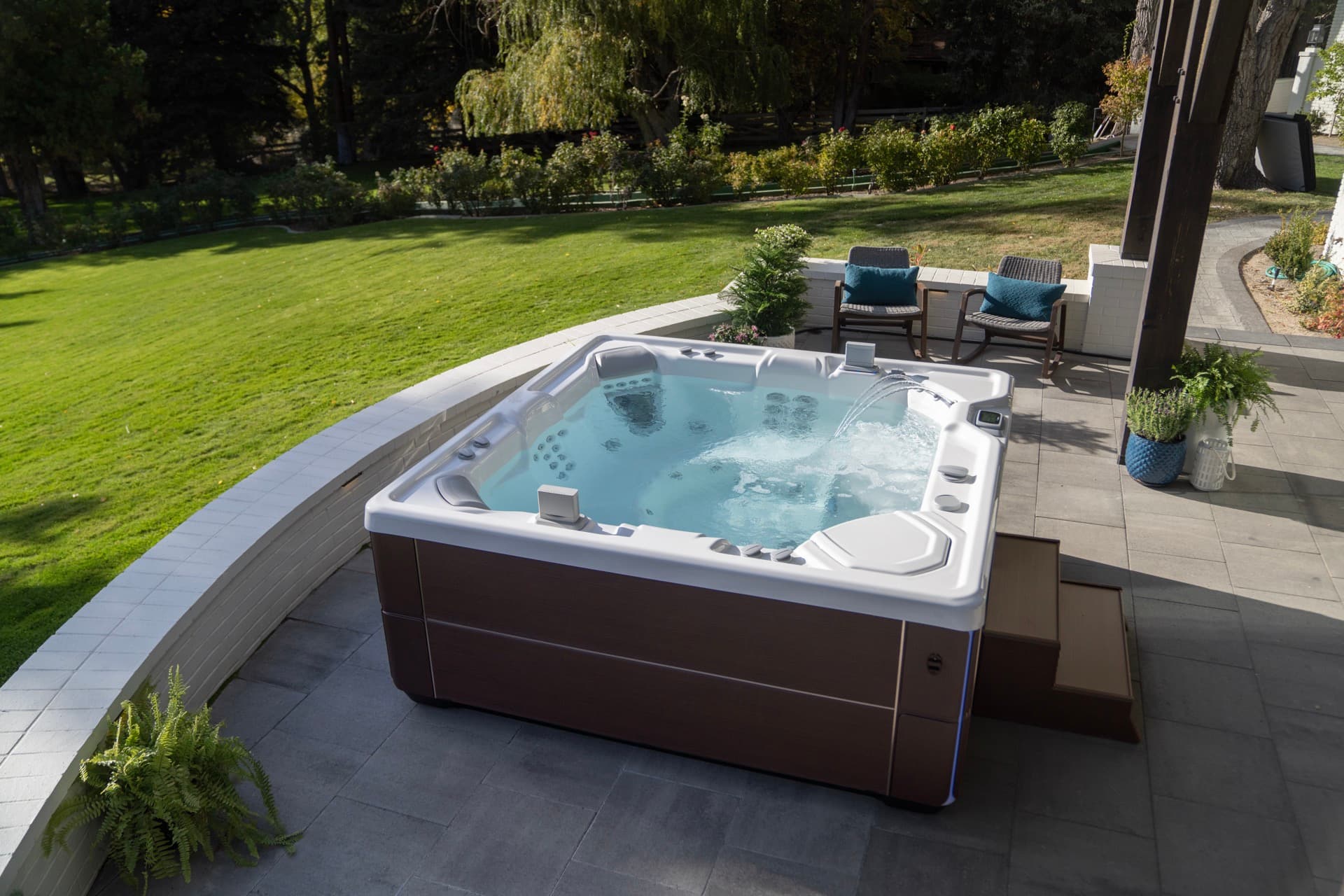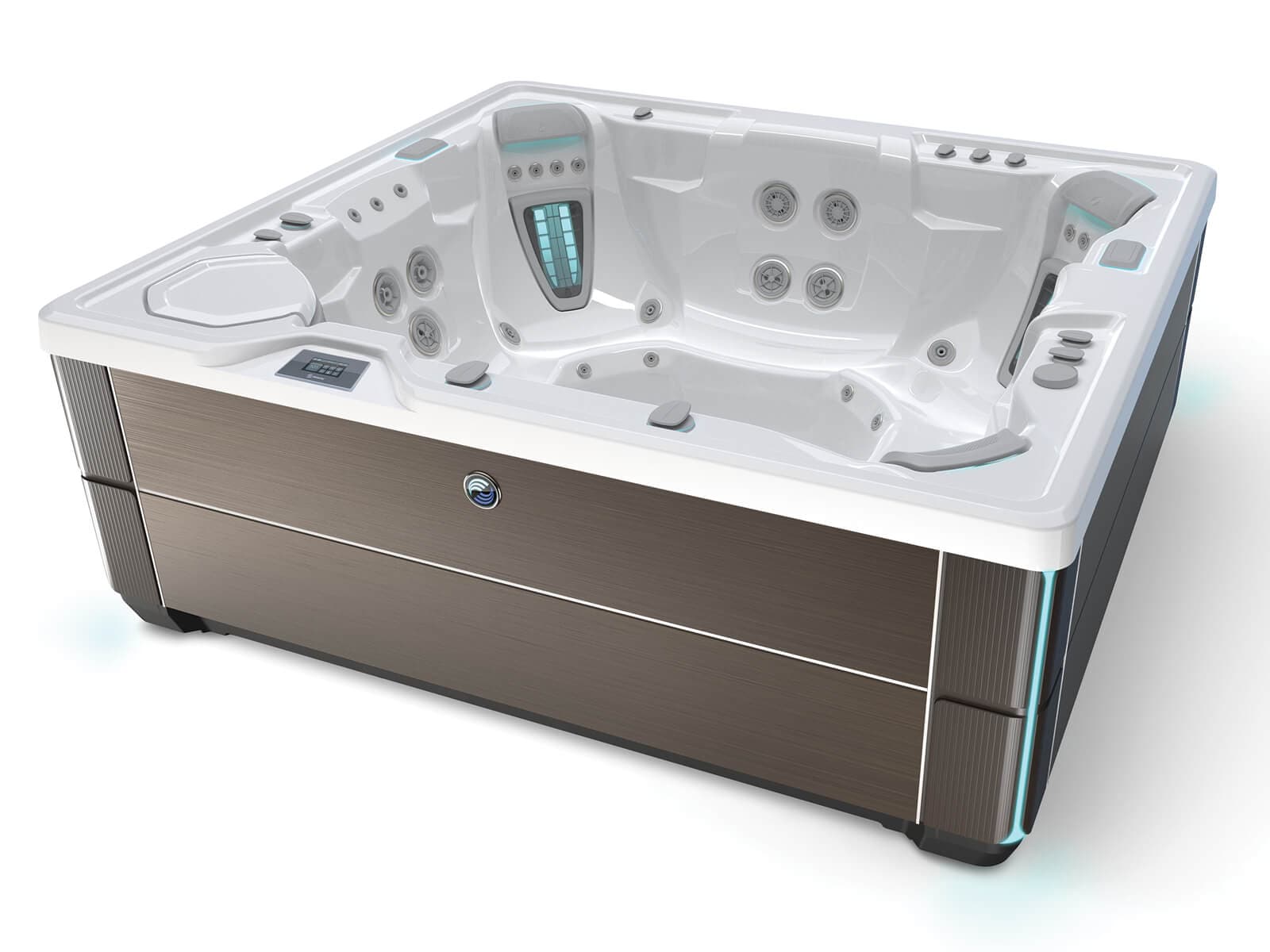
A quality hot tub cover keeps your water hot, cuts your electricity bill by up to 40%, and protects your investment from weather and debris. Look for a minimum 4-inch taper on the foam core, a vapor barrier inside each foam panel, and a denier rating of at least 600D on the vinyl. A good cover is far cheaper than the energy waste and damage a worn-out cover causes over time.
Your hot tub cover is one of the most important — and most overlooked — components of your spa. It protects the water from debris, insects, and weather. It locks in heat and keeps your energy bills low. It keeps children and pets safe when the spa is not in use. And when it wears out, every one of those benefits starts to disappear.
Whether you are replacing a worn-out cover or buying one for a new spa, this guide covers everything you need to know about choosing the right hot tub cover for your situation here in East Texas.
What Does a Hot Tub Cover Actually Do?
A quality cover serves four critical functions:
- Insulation:Your cover is the biggest factor in your hot tub's energy efficiency. A well-insulated cover prevents heat from escaping through the water surface — which is where the vast majority of heat loss occurs. Without a good cover, your heater runs overtime and your electricity bill climbs.
- Protection from the elements: Rain, leaves, pollen, dust, and debris all end up in your water without a cover, making your filtration system work harder and requiring more chemicals to keep the water clean.
- Safety: A locked cover prevents unsupervised access to the water — essential for families with young children or pets.
- Chemical retention: The cover traps sanitizer in the water where it belongs, reducing how often you need to add chemicals.
How Much Does a Replacement Cover Cost?
A quality replacement hot tub cover varies by size, thickness, and materials. Premium covers with higher-density foam, reinforced hinges, and upgraded vinyl cost more. It sounds like a lot, but consider this: a waterlogged, worn-out cover can raise your electricity bill by letting heat escape. A new cover can pay for itself in energy savings.
Choosing the Right Cover: What to Look For
Size and Shape
Hot tub covers are not universal. You need a cover that matches the exact dimensions and shape of your spa. When ordering a replacement, measure the length, width, and corner radius of your hot tub. Most covers are square or rectangular with rounded corners, but specialty shapes exist. If you bought your hot tub from us, we have your model and dimensions on file — just give us a call.
Foam Thickness
The foam core inside the cover provides the insulation. Covers come in several thickness options:
- 4 inches: Basic insulation. Adequate for warmer climates and budget-friendly builds.
- 5 inches: The most common and generally recommended thickness. A solid balance of insulation and weight.
- 6 inches: Maximum insulation for colder climates or owners who want the best possible energy efficiency.
For East Texas, a 4 to 6 inch cover handles our climate well. Our winters are mild enough that you do not need the thickest option available, but we recommend at least 4 inches for year-round efficiency. Most of our customers go with 5 inches — it hits the sweet spot of insulation performance and manageable weight.
Taper
Most hot tub covers are tapered — thicker in the center and thinner at the edges. The taper creates a slight peak that sheds rainwater instead of pooling it on top. Common taper configurations are:
- 4 to 2 inches: Standard taper, good for basic coverage.
- 5 to 3 inches: Our most recommended option. Excellent rain shedding with strong insulation across the full cover.
- 6 to 4 inches: Maximum insulation. Heavier, but the best thermal performance.
Here in East Texas, where we get plenty of rain, proper taper matters. Standing water on a flat cover accelerates wear, adds weight, and can eventually cause the foam to become waterlogged. A good taper keeps water moving off the surface.
Foam Density
Foam density is measured in pounds per cubic foot and directly affects how well the cover insulates and how long it lasts:
- 1.0 lb density: Entry-level foam. Gets the job done but breaks down faster and absorbs water more readily over time. Typical lifespan of 3 to 4 years.
- 1.5 lb density: The standard for most quality covers. Better insulation, more resistant to water absorption, and a typical lifespan of 5 to 7 years. This is what we recommend for most customers.
- 2.0 lb density: Premium foam. The best insulation value, the longest life (7 to 10 years), and the most resistance to waterlogging. Worth the investment if you want to buy one cover and forget about it for nearly a decade.
Outer Material
The outer skin of your cover takes a beating from the sun, rain, and temperature swings. Look for:
- Marine-grade vinyl: The industry standard for quality covers. Thicker and more durable than standard vinyl.
- UV inhibitors:Essential in Texas. The sun breaks down vinyl faster than anything else. Make sure your cover's vinyl includes UV protection built into the material — not just a topical coating that wears off.
- Double-stitched seams:Seams are the most vulnerable point on any cover. Double stitching with weather-resistant thread significantly extends the cover's life.
- Vapor barrier: A plastic sheet wrapping the foam core that prevents moisture from penetrating into the foam. This is what keeps the cover lightweight over time. Without a good vapor barrier, foam absorbs water, gets heavy, and loses insulation value — this is the number one reason covers need replacing.
Cover Lifters: Making Your Life Easier
A hot tub cover — even a well-maintained one — weighs 40 to 60 pounds. Removing and replacing it every time you use the spa gets old fast. A cover lifter is a mechanical assist device that mounts to the spa or a nearby surface and lets you remove the cover with one hand and minimal effort.
Types of cover lifters include:
- Manual pivot lifters: The most common style. You fold the cover in half, slide it onto the lifter arms, and pivot it up and over the side. Ask us for current accessory pricing.
- Slide-under lifters: The cover slides off to the side on a low-profile frame that tucks under the spa. Good for tight spaces. Cost: $200 to $350.
- Hydraulic-assist lifters: Gas struts make the lifting motion nearly effortless. The premium option for ease of use. Cost: $250 to $400.
We strongly recommend a cover lifter for every hot tub. People who skip the lifter almost always come back for one within a few months. It makes the difference between casually using your hot tub on a weeknight and deciding it is too much hassle.
Covana Automated Covers
For the ultimate in convenience, Covana automated cover systems combine a cover, gazebo, and privacy screen into one integrated unit. With the push of a button, the Covana rises from a flat cover position to a full overhead canopy — providing shade, wind protection, and a sense of enclosure. Push the button again and it lowers back down to seal and insulate your spa.
Covana systems are a significant investment ($4,000 to $8,000+ depending on the model), but they eliminate the daily hassle of cover removal entirely. They are particularly popular with customers who use their hot tub daily and want the experience to feel as effortless as possible. Ask us about Covana options when you visit either showroom.
Cover Care Tips
A little maintenance goes a long way toward extending the life of your cover:
- Clean it monthly: Wipe down the vinyl surface with mild soap and water. Avoid harsh cleaners, bleach, or abrasive scrubbers that can damage the vinyl and strip UV protection.
- Condition the vinyl: Apply a vinyl protectant (like 303 Aerospace Protectant) every 4 to 6 weeks to maintain flexibility and UV resistance. This is especially important in Texas sun.
- Clear debris promptly: Leaves, pine needles, and standing water should be removed regularly. Debris holds moisture against the vinyl and accelerates wear.
- Check the vapor barrier: If your cover starts getting noticeably heavier, the vapor barrier may be compromised and the foam is absorbing water. At that point, it is time for a replacement — a waterlogged cover loses most of its insulation value.
- Avoid sitting or standing on it: Hot tub covers are designed to support the weight of rain and snow, not people. Sitting on the cover damages the foam core and can crack the hinge.
When to Replace Your Cover
Most hot tub covers last 5 to 7 years with proper care. Signs that it is time for a new one:
- The cover feels significantly heavier than when it was new
- The vinyl is cracked, faded, or peeling
- The foam is sagging in the middle
- You notice your energy bill creeping up for no obvious reason
- The cover no longer sits flat or seals properly
- There is a musty or mildew smell that cleaning does not fix
Do not wait until the cover completely falls apart. A degraded cover costs you money every month in lost heat and extra chemical use. Replacing it proactively saves more than it costs.
Need a new cover? We carry replacement covers for the brands we sell at our Tyler and Longview showrooms. Bring your hot tub dimensions (or just tell us the make and model) and we will get you set up with the right cover, properly sized and shipped to your door or available for pickup. Contact us or call (903) 561-7565 (Tyler) or (903) 238-8021 (Longview).